The Retirement nobody celebrated: Caitlin Bassett on life after the final whistle
01 February 2026
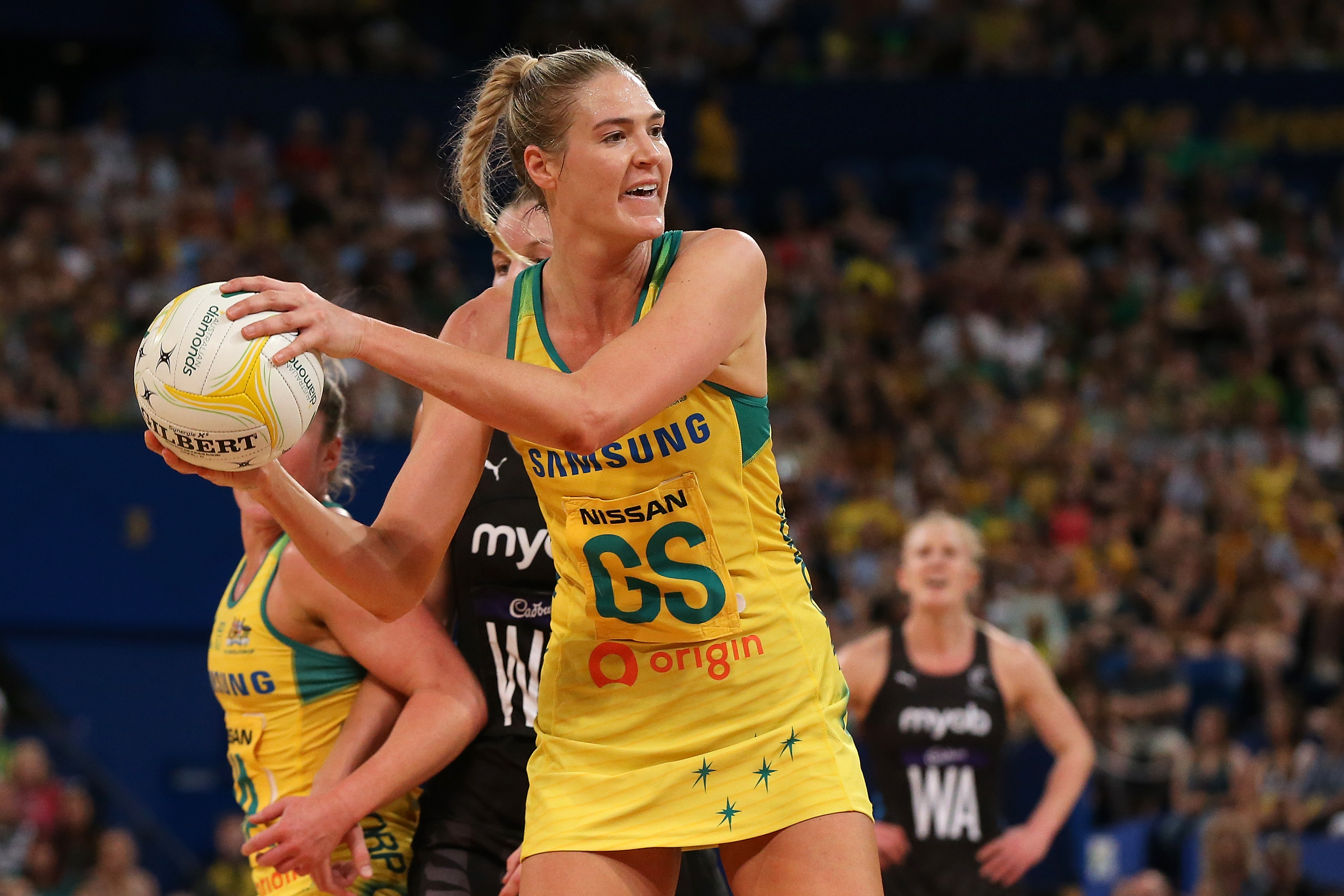
Retirement, for most athletes, is sold as a fairytale: a lap of honour, a final trophy, a crowd on its feet. Caitlin Bassett got none of it. The former Australian Diamonds captain and Commonwealth Games gold medallist watched a peer, cricketer Alyssa Healy, receive exactly that kind of send-off, walking out on her own terms to headlines and tributes, and felt the ache of the contrast. "We always glamourise the fairytale retirement," Bassett says. Her own had no fairytale in it. The body of work needs no defending: she captained her country, won Commonwealth gold, played a hundred Tests, took the Liz Ellis Diamond in 2015 as the sport's best player. And it ended not with a send-off but with silence, back in Australia after a season in New Zealand, both knees needing surgery, no contract on the table. "Quite shocking, quite sudden," she says. She has a darkly funny line for it now: she says she was made redundant. She still wanted to play; there wasn't a position for her. The joke does a lot of work, because underneath it sits something she names plainly, shame. "There was a lot of shame when I first retired," she says, and three years on, she still uses the present tense. It surfaces when she meets someone new and gets the question every former athlete dreads. You used to play netball for Australia? So what do you do now?
To understand why it stung, you have to go back to the move that was meant to be the next great chapter. Twelve years at the West Coast Fever, then a bold switch to the Sunshine Coast Lightning that delivered back-to-back premierships and what she calls a second family. So when the Giants came calling in Sydney, she treated it as one more challenge to conquer: "I navigated the last challenge quite well and had been successful, so why can't I do the same thing now?" The answer was COVID. The pandemic isolated the squad, pushed the competition back, and forced the players into a Queensland hub away from partners and support. The rules changed mid-stream, too. A new super shot rewarded long-range shooting, when Bassett's whole game was built under the post. She found herself on the sideline, on the bike, while the cameras lingered. And here is the part that still rankles: she wasn't allowed to explain herself. Giants media, she says, blocked her from speaking after games, so the speculation ran without her. New Zealand became her attempt to take back control. She didn't know it would be her last season, and she's glad she didn't. What's striking now is that the grief was never really about the netball. It was about the scaffolding that vanished with it. Elite sport had made her relentlessly disciplined; strict about food, training, and how she looked, and those habits served her brilliantly as an athlete and served her far less well as a person. She still gets angry at herself for sleeping through a gym session. The work of three years has been unlearning that: skipping a workout doesn't let anyone down; she doesn't have to earn the day.
The rebuild ran through roles that each taught her something. A player development job at Cricket New South Wales, a sport she knew nothing about, in fact, the players mistook the gigantic newcomer for a fast bowler and sent her to the nets, where her netballer's arm refused to straighten and broke the ice for her. Then a stint as a sports journalist in Perth, which delivered an irony you couldn't script: she ended up asking for help from the very reporter whose calls she'd once ignored as a player. Sitting on the other side of the notebook changed how she saw the trade, and she resolved to write about athletes as humans first and to ask why someone might be struggling rather than mark them down. She took up a player development role at the Western Force next, working with male athletes for the first time, knowing nothing about rugby and deciding that was a feature, not a flaw, one that kept her curious.
What she brings instead is the thing no qualification could give her: she has lived what these players fear. When one told her he thought he'd played his last game, her heart went out to him, because she knew the feeling from the inside. This is where Bassett turns serious. Asked whether sporting organisations owe their athletes anything at the end, and the answer was immediate. When she finished, there was no aftercare; she got a call telling her she wasn't in the team, and that was that. Even getting a gym and a physio for her rehab was a fight. She doesn't leave it as a grievance, though; she's turned it into work, sitting on Netball Australia's athlete wellbeing committee and pushing for what didn't exist in her day; support around fertility, education and physio grants that outlast a contract. She's clear about the stakes, naming the frighteningly high rate of suicide in some codes among players who move into the next stage feeling alone. The hardest conversation, she says, is the one where a dropped athlete goes back to the club that let them go and asks for help and that only happens if they still feel welcome.
All in all, this is not a sad story, and Bassett would say so first. She's found the things that hold her up: family, coffee with her sister, Pilates, and animals, which have been her therapy since childhood; she fosters refuge puppies on weekends alongside a few of the Force players. Today, she has more control over her life than she's ever had, even if control sometimes just means deciding what to wear and cooking her own dinner. Her advice, fittingly, goes to Healy, whose perfect send-off she'd watched with that small ache: take a breath, the opportunities will come, and you don't have to say yes to all of them at once or know right now exactly who you want to be. She would know. It took her three years, and she's still going, but she's arrived somewhere real: inside the game she loves, no longer needing to sweat for it, helping the next ones through the door she was once pushed out of.
This is an edited feature drawn from Caitlin Bassett's full conversation with This Sporting Planet. Watch the complete interview on YouTube or listen to the episode wherever you get your podcasts: