'THE ONLY THING YOU HAVE TO WATCH LIVE': John Kosner on the State of Sport
26 October 2025

Ask John Kosner whether sport has ever changed this fast, and the answer is immediate. No. Not in a career that took him through ESPN, CBS Sports, Sports Illustrated and the NBA. The smartphone, the rise of streaming, the arrival of artificial intelligence: the pace itself is accelerating, a kind of Moore's law for the industry, and it is being felt in every corner of the game.
But his headline runs counter to the anxiety you might expect from a media veteran watching his old world fragment. Sport, he argues, has never mattered more, and the reason is precisely the fragmentation.
"In a world where so much of one's entertainment is available on demand and largely for free, sports is the only content that you have to watch live." It is also, he points out, the rare thing that unifies. Whatever your politics or background, you can sit down and root for a side. As traditional pay television in the United States shrinks and the media landscape splinters, that quality has become more valuable, not less. Kosner won't call it recession-proof; he doesn't believe anything is, but he will call it the strongest content genre by a distance, with an evergreen hold on its fans that television drama can only envy. A great series fades after seven years. A Manchester City fan is a Manchester City fan for life.
The same forces that have lifted sport have also rewired its internal balance of power. Athletes, Kosner says, now often command bigger followings than the teams and leagues they play for, and fans can involve themselves in those athletes' lives in a way that wasn't possible before.
In the United States, college athletes are being paid for the first time, much of it through name, image, and likeness (NIL) deals that allow each player to run their own marketing. The money everywhere keeps climbing; he points to the Lakers' $10 billion valuation and how it ripples through the market for NFL franchises and Premier League clubs.
He treats the shift as overdue. It is good for the athletes, and they are who we root for. But it raises the pressure on everyone else to match them, and it leaves a genuinely open question hanging over the top of the game: Will the biggest stars stay content not to own a piece of the leagues they carry? There is a quieter worry, too, about whether individuals who have become brands in their own right will keep subjugating themselves to the team, the cohesion and collective belief that actually wins championships. The power has moved. What the athletes choose to do with it is the story still being written.

That power shift explains the rush of breakaway and challenger competitions, and Kosner is measured about their prospects. New influencer-driven, socially native leagues are proliferating, the Kings League and the Baller League among them, built on free distribution and built for phones.
But the established events hold a card the newcomers struggle to replicate: context. It isn't only that Jannik Sinner and Carlos Alcaraz are the two best players in tennis; it's that they meet at Wimbledon, at the French Open, at the US Open, and the stage gives the rivalry its meaning. LIV Golf has spent heavily and gathered many of the best players, yet for the fan, it still feels like a split product, denying them the one thing they want most, the best playing the best on a Sunday afternoon. Whether that resolves depends on talks between LIV and the PGA Tour, now under new leadership with Brian Rolapp.
Kosner is just as sharp on his own trade. Broadcasters, he argues, exist to protect the integrity of the contest and to help fans know the players, work that matters more in a fragmented, scandal-rocked landscape where it's no longer obvious where to turn for trusted information. He reaches back to Roone Arledge's "up close and personal" films at ABC, which got viewers to care about athletes in sports they'd never followed, and insists that the craft has never been more important. The conventional wisdom says attention spans are collapsing and nobody watches a full game any more. The American data complicates that story: a 2025 overhaul of Nielsen's measurement, including full out-of-home viewing, sent football and baseball playoff numbers sharply up, hinting that the audience was always there and simply uncounted.
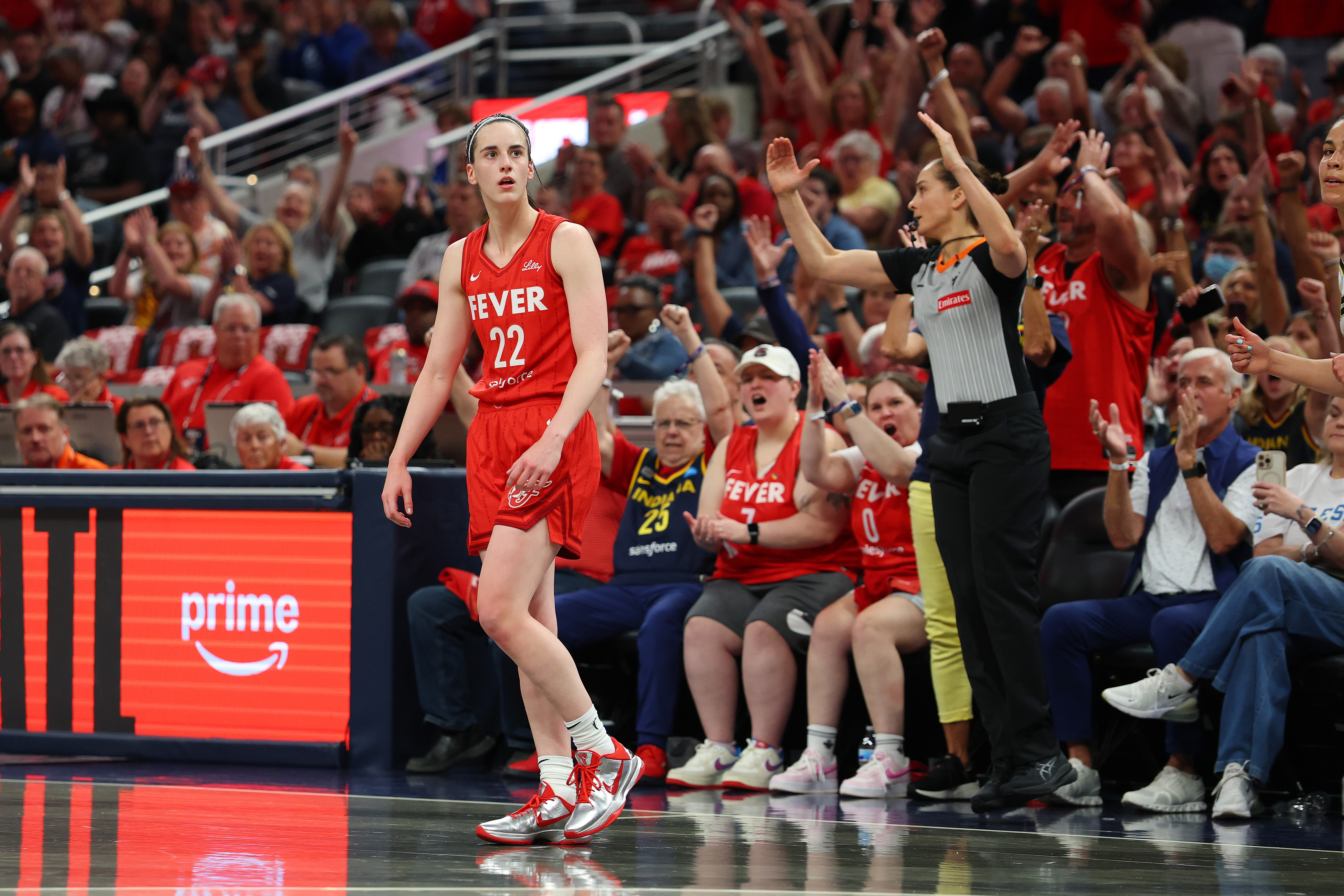
On women's sport, he credits fifty years of Title IX in the US for building the foundation, then a galvanising figure on top of it. In his lifetime, he says, only four athletes have made non-fans switch on a sport they didn't care about: Muhammad Ali, Michael Jordan, Tiger Woods and Caitlin Clark. He is careful to say he isn't claiming Clark is yet their equal, only that the phenomenon rhymes. His advice for the next generation, after a career spent near the top of the industry, is almost old-fashioned. Work out what matters most at any given moment and stay relentlessly on top of it. And in an age of AI, invest in real relationships rather than transactions, because your next opportunity nearly always comes from someone who knows you. The technology will keep changing. Those two things, he believes, won't.
This is an edited feature drawn from John Kosner's full conversation with This Sporting Planet. Watch the complete interview on our YouTube channel, or listen to the episode wherever you get your podcasts.